Skip to content
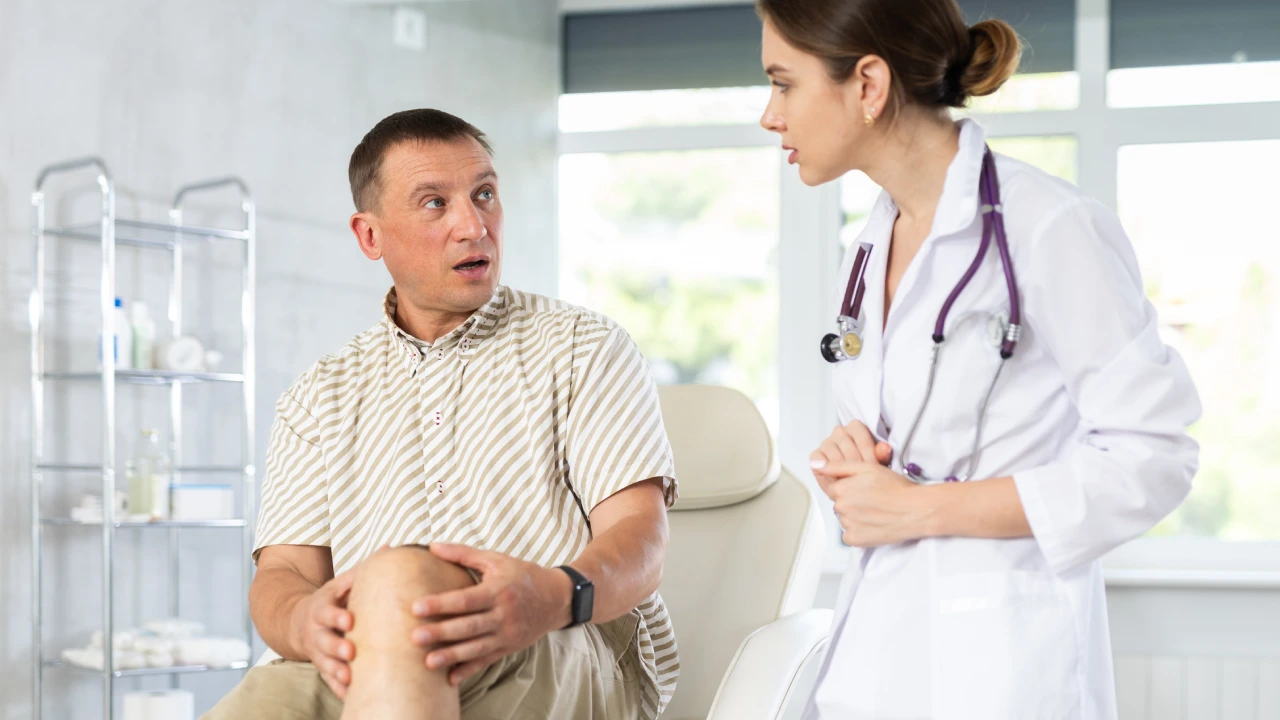
Table of Contents
Understanding Knee Cartilage Damage
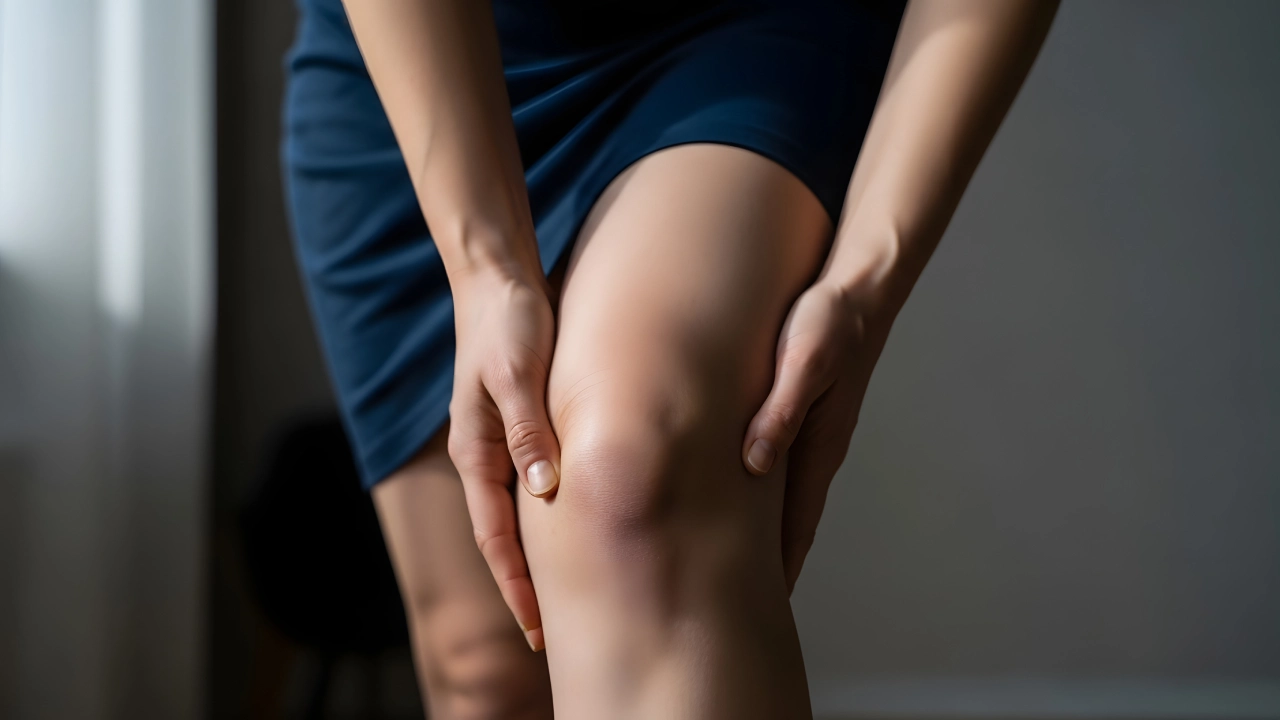
Knee cartilage plays a critical role in allowing smooth, pain-free movement. It cushions the joint surfaces, absorbs shock, and helps the knee function properly during daily activities and sports.
When cartilage becomes damaged through injury, repetitive stress, or arthritis, patients often experience:
- Knee pain
- Swelling
- Stiffness
- Catching or locking sensations
- Reduced mobility
- Difficulty with exercise or sports
For many patients, the goal is to find an effective treatment that relieves symptoms and preserves the knee joint without immediately requiring surgery.
At Orthoify Orthopedics, Dr. Eildar Abyar, MD specializes in joint preservation, cartilage restoration, sports medicine, and regenerative orthopedic treatments designed to help patients stay active and maintain healthy joints.
What Causes Knee Cartilage Damage?
Cartilage damage can occur for several reasons.
Common causes include:
Sports Injuries
Athletes frequently develop cartilage injuries following:
- ACL injuries
- Meniscus tears
- Patellar dislocations
- Direct trauma
Wear and Tear
Over time, repetitive stress may gradually break down cartilage, leading to:
- Early arthritis
- Joint degeneration
- Chronic knee pain
Osteoarthritis
Osteoarthritis is one of the most common causes of cartilage deterioration and may eventually result in bone-on-bone joint contact.
Can Knee Cartilage Heal Without Surgery?
Unlike many tissues in the body, cartilage has a limited blood supply, making healing more challenging.
While severely damaged cartilage may not fully regenerate on its own, many patients can improve pain, function, and mobility through non-surgical treatment options that support the body’s healing response and reduce inflammation.
The best treatment depends on:
- Severity of cartilage damage
- Patient age
- Activity level
- Imaging findings
- Presence of arthritis
- Overall joint health
Non-Surgical Treatment Options for Knee Cartilage Damage
Several non-surgical treatments may help improve symptoms and delay or avoid surgery.
Physical Therapy
A structured rehabilitation program can:
- Improve knee stability
- Increase strength
- Reduce stress on damaged cartilage
- Improve function
Physical therapy remains one of the most important foundations of treatment.
Activity Modification and Bracing
For some patients, reducing high-impact activities and using specialized knee braces may decrease symptoms and improve daily function.
Anti-Inflammatory Treatments
Controlling inflammation can help reduce:
- Pain
- Swelling
- Joint irritation
This may include medications, lifestyle modifications, and physician-guided treatment plans.
Viscosupplementation (Gel Injections)
Gel injections may improve lubrication within the knee joint and provide symptom relief for selected patients with arthritis and cartilage degeneration.
PRP (Platelet-Rich Plasma) Therapy
PRP therapy uses concentrated platelets and growth factors obtained from the patient’s own blood.
PRP may help:
- Reduce inflammation
- Improve pain
- Support tissue healing
- Enhance recovery from sports injuries
PRP is commonly used for:
- Early arthritis
- Tendon injuries
- Mild cartilage damage
BMAC Therapy: An Advanced Regenerative Medicine Option
One of the most advanced non-surgical options available today is Bone Marrow Aspirate Concentrate (BMAC) therapy.
BMAC utilizes biologic components obtained from the patient’s own bone marrow, including:
- Stem cells
- Growth factors
- Healing proteins
- Cellular signaling molecules
The concentrated solution is injected directly into the affected area using imaging guidance.
Because BMAC contains multiple regenerative components, it has become a popular option for patients seeking advanced joint preservation treatments.
How BMAC Supports Cartilage Health
Although BMAC is not a cartilage replacement procedure, it may help create a more favorable environment for healing and symptom improvement.
Potential benefits include:
- Reduced inflammation
- Improved joint function
- Enhanced healing response
- Better mobility
- Support for joint preservation
Many patients exploring regenerative medicine in San Antonio consider BMAC before pursuing more invasive surgical procedures.
When BMAC May Be the Best Non-Surgical Treatment
BMAC may be appropriate for patients who:
- Have mild to moderate cartilage damage
- Have early to moderate arthritis
- Have persistent knee pain despite conservative treatment
- Want to delay surgery
- Are seeking joint preservation options
- Want a treatment utilizing their own biologic material
An orthopedic evaluation is necessary to determine whether BMAC is appropriate.
When Surgery May Be a Better Option
Not every patient is a candidate for regenerative medicine alone.
Patients with:
- Severe arthritis
- Bone-on-bone degeneration
- Significant instability
- Large cartilage defects
- Advanced deformity
may require alternative treatments such as:
- Cartilage restoration procedures
- Arthroscopic surgery
- Osteotomy
- Partial knee replacement
- Total knee replacement
The best treatment is always based on the individual patient’s condition and goals.
The Role of Cartilage Restoration and Joint Preservation
At Orthoify Orthopedics, treatment decisions focus on preserving the natural joint whenever possible.
Depending on the condition, options may include:
- PRP therapy
- BMAC therapy
- Cartilage restoration procedures
- Meniscus preservation
- Sports medicine rehabilitation
- Joint preservation surgery
The goal is to maximize function while delaying progression of joint degeneration whenever appropriate.
Why Choose Dr. Eildar Abyar for Knee Cartilage Treatment in San Antonio?
Dr. Eildar Abyar is an orthopedic surgeon specializing in:
- Sports medicine
- Cartilage restoration
- Joint preservation
- Regenerative medicine
- Biologic therapies
- Knee surgery
His approach combines advanced diagnostics, modern regenerative medicine, and evidence-based orthopedic care to develop personalized treatment plans for every patient.
Patients throughout San Antonio seek his expertise for both non-surgical and surgical solutions for knee pain, cartilage injuries, and arthritis.
Finding the Right Treatment for Your Knee
The best non-surgical treatment for knee cartilage damage is not the same for every patient.
Some patients benefit most from physical therapy and rehabilitation. Others may be candidates for PRP, BMAC, viscosupplementation, or other regenerative medicine treatments.
The key is obtaining an accurate diagnosis and understanding all available options.
At Orthoify Orthopedics, Dr. Eildar Abyar, MD helps patients throughout San Antonio develop personalized treatment plans focused on pain relief, improved mobility, and long-term joint health.
Schedule a consultation today to learn which cartilage treatment option is best for your knee and your goals.