Skip to content

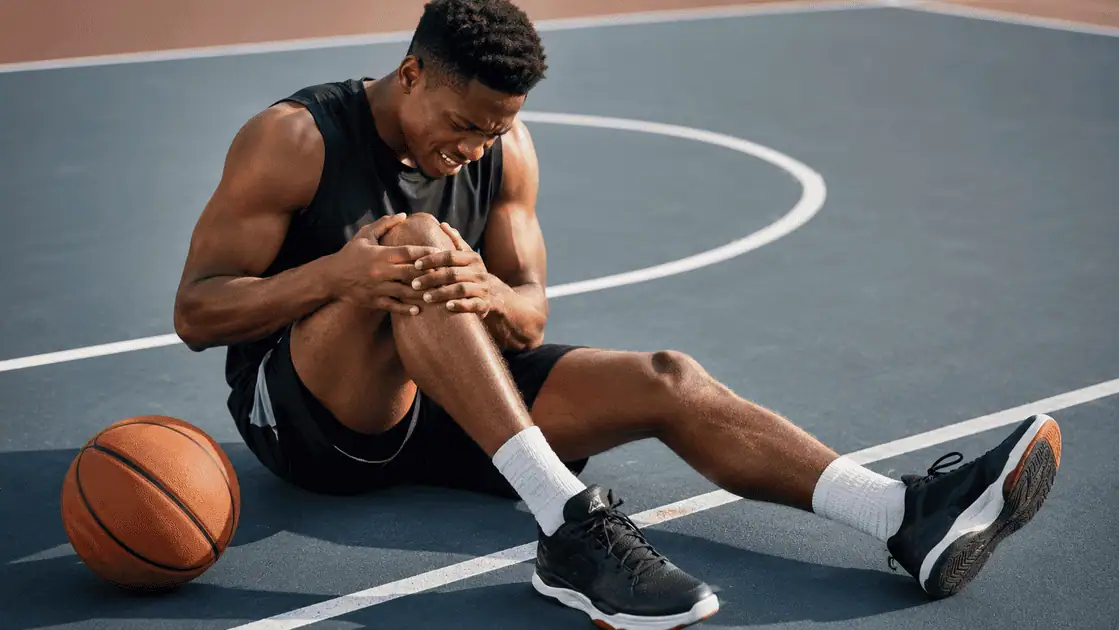
A sports injury can disrupt more than your workouts. It can affect your routine, your confidence, and your ability to move comfortably day to day. Whether you are dealing with a sprain, strain, or joint injury, recovery usually feels urgent. Most people want to know how to heal faster without making the problem worse. At Orthoify Orthopedics, we often meet patients who want to know how to heal faster without making the problem worse.
In many cases, faster sports injury recovery starts with the same core steps: getting the injury evaluated early, following a structured plan, and returning to activity at the right pace. Pushing too hard, too soon, often leads to setbacks. Recovering the right way helps protect your progress and lowers the chance of reinjury.
Question: How can you recover faster from sports injuries?
Answer: You can recover faster from sports injuries by getting the injury evaluated early, following a personalized rehabilitation plan, allowing time for proper healing, and returning to activity gradually. The right recovery approach helps restore strength, mobility, and stability while lowering the risk of reinjury or delayed healing.
Why Proper Recovery Matters After A Sports Injury
One of the most common mistakes we see is returning to sports too soon. Once pain starts to improve, many athletes assume they are ready for full activity. But feeling better does not always mean the injury has fully healed.
When recovery is rushed, weakness, inflammation, reduced stability, or limited mobility may still be present. That can lead to ongoing discomfort, poor performance, or another injury. Proper recovery helps restore strength, movement, and support in the injured area.
Our goal is to help you return safely and confidently. We focus on sports injury evaluation, personalized care plans, and Return-to-Play Clearance when needed. For more advanced cases, we also offer sports medicine and arthroscopic surgery options such as ACL Reconstruction, Meniscus Repair & Partial Meniscectomy, and Rotator Cuff Repair.
Common Sports Injuries That Require Structured Recovery
Some sports injuries improve with rest and activity changes. Others need a more structured plan to heal properly and avoid long-term issues, especially when joint stability or movement is affected.
We often see muscle strains, tendon irritation, joint sprains, and ligament injuries in active patients. Knee, ankle, and shoulder injuries can be especially disruptive because they affect both sports and daily movement. Even injuries that seem minor at first can become harder to recover from when they are ignored.
Overuse injuries are also common and often develop gradually. Delaying care can lead to a longer rehabilitation timeline and a slower return to activity. Early diagnosis helps us identify the injury and build the safest recovery plan.
Key Strategies That Help Speed Up Injury Recovery
If you want to improve sports injury recovery, the key is not doing everything at once. It is following the right steps in the right order. Recovery tends to move faster when the plan is clear, realistic, and tailored to the injury.
We typically focus on a few essentials:
- Early evaluation to identify the injury and guide treatment
- Controlled activity so that healing tissues are protected
- Targeted exercises to restore strength and mobility
- Ongoing reassessment if progress slows or symptoms change
Rest matters, but so does knowing when and how to start moving again. Too much inactivity can lead to stiffness and weakness, while too much activity can irritate the injury and delay healing. A structured plan helps balance protection with progress.
That is why personalized care is so important. We look at the injury itself, your sport, your movement patterns, and your recovery goals so the plan fits what your body actually needs.
The Role Of Rehabilitation And Physical Therapy In Recovery
Rehabilitation is a major part of healing well after a sports injury. While rest can help reduce symptoms early on, rehab is what helps you regain function. It focuses on restoring flexibility, rebuilding strength, improving balance, and helping the injured area tolerate movement again.
Many athletes change the way they move after an injury, even without realizing it. You may favor one side, avoid certain motions, or compensate in ways that create more strain elsewhere. Rehab helps correct those patterns before they turn into bigger problems.
A good rehabilitation plan supports recovery by helping you:
- Regain safe, comfortable movement
- Rebuild muscle support around the injured area
- Improve control, balance, and joint stability
- Progress toward higher activity levels gradually
This process is especially important for athletes who want to return to training or competition. Return-to-play decisions should not be based only on whether pain has improved. They should also take strength, mobility, control, and functional readiness into account.
How Athletes Can Reduce The Risk Of Reinjury During Recovery
Many reinjuries happen when athletes feel better and return too soon. Recovery is a rebuilding phase, and if strength, control, and conditioning have not returned, the injured area may still be vulnerable.
Reducing reinjury risk means looking beyond symptoms. Strength, movement quality, balance, and sport-specific demands all matter, which is why we use movement assessment and individualized recovery guidance.
As recovery progresses, we also look for muscle imbalances, poor mechanics, or weaknesses that may have contributed to the injury. Addressing those factors helps athletes return more safely and lowers the risk of another setback.
When To Seek Professional Care For A Sports Injury
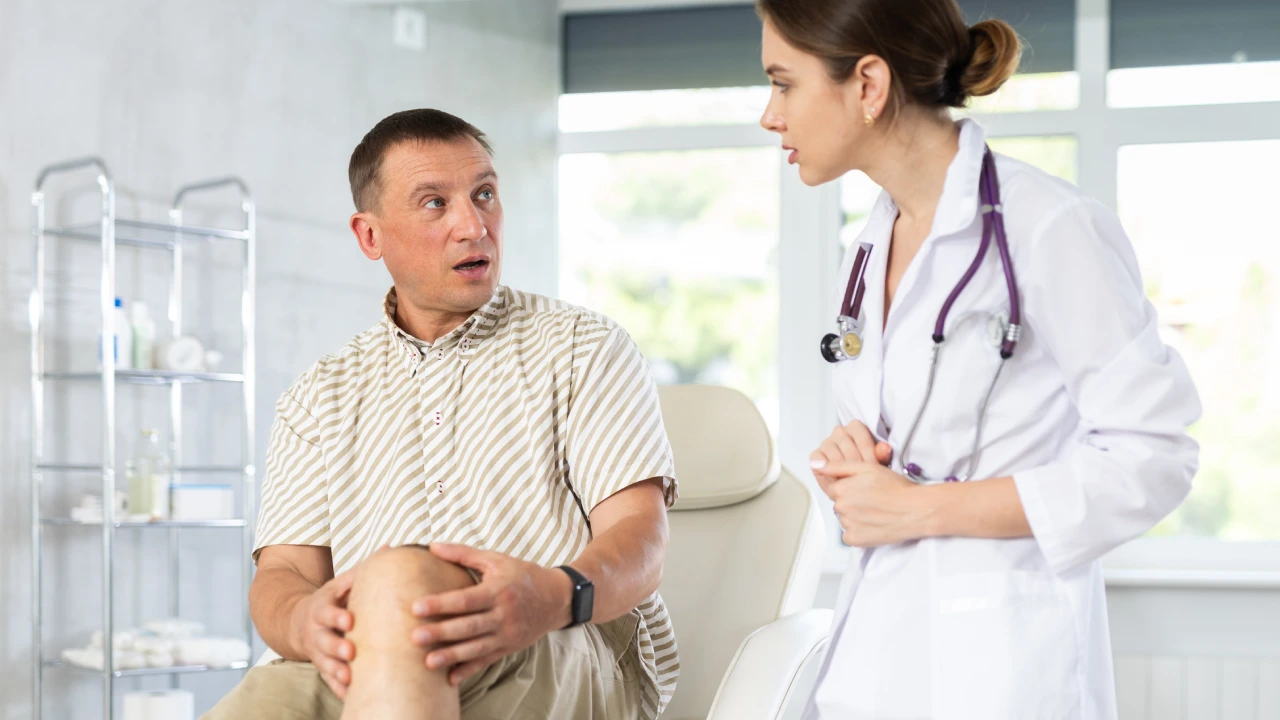
Some injuries improve with rest and time. Others need expert evaluation sooner. If you have significant swelling, instability, pain that does not improve, or trouble bearing weight, it is a good idea to get checked. The same is true if symptoms return when you resume activity.
Professional care also helps when recovery feels unclear. Getting answers early can help prevent complications and reduce unnecessary downtime.
At our sports injury clinic in San Antonio, TX, Dr. Eildar Abyar evaluates injuries, creates individualized recommendations, and guides patients through recovery. When needed, we also provide broader orthopedic and sports medicine care for more complex injuries and safe return-to-play planning.
Getting Back To What You Love Safely
Recovering faster does not mean rushing. It means taking the right steps early, following a structured plan, and giving your body the support it needs to heal well. When recovery is handled properly, you have a better chance of returning to sports with confidence and a lower risk of reinjury. If you are dealing with a recent injury or a recovery that is not progressing the way it should, Start your recovery plan today with us at Orthoify Orthopedics so we can help you build a personalized path forward.